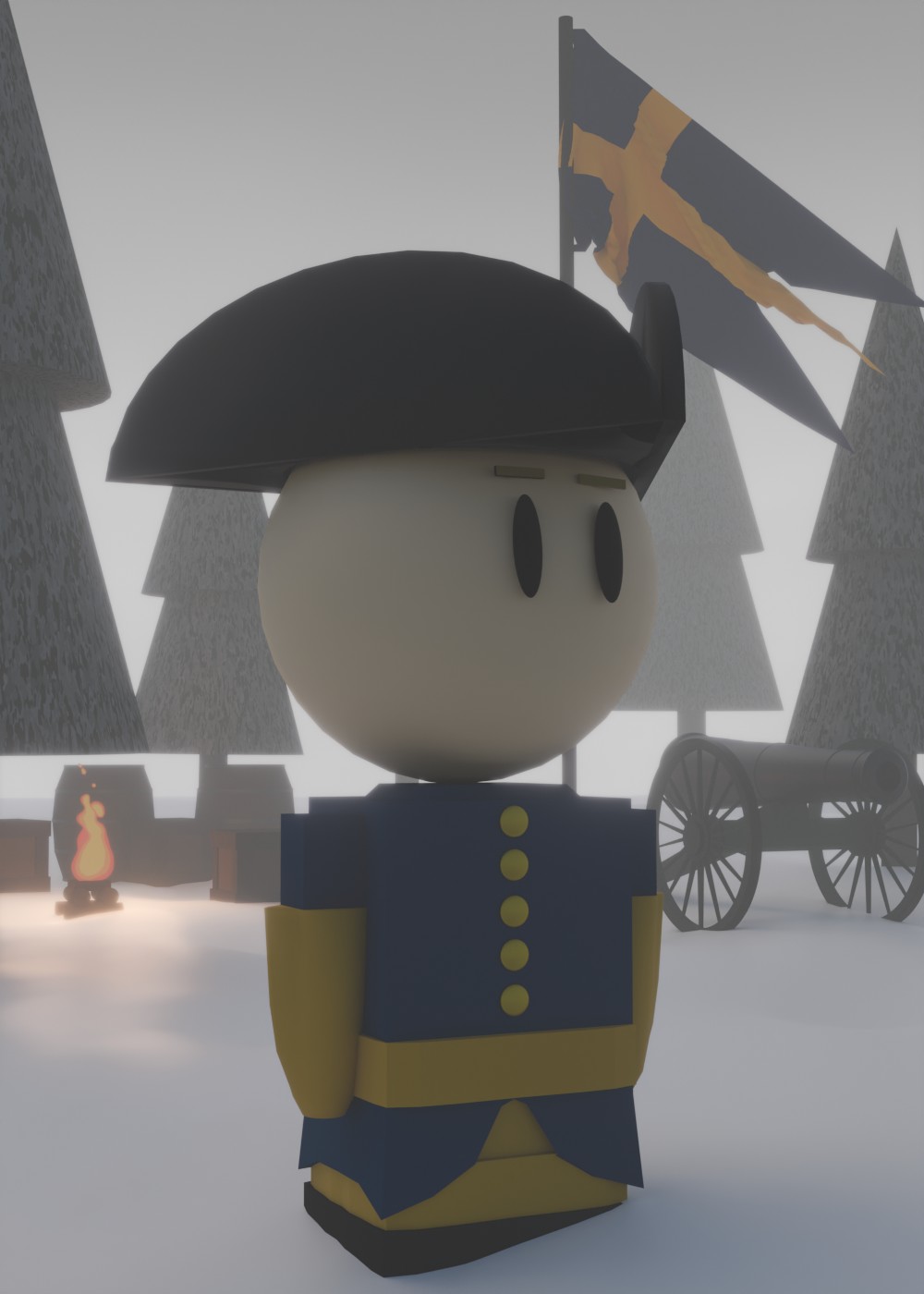
Charles XII
King of the Swedish Empire 1697-1718
Taking the throne at the age of 15, 3 years later Sweden would find herself at war with an allied coalition seeking to take advantage of the nation's seemingly weakened position. Charles was an absolute monarch, wielding complete control of the state which he used to reform and modernize Sweden. He received an excellent education and was a keen student of military history, which would prove to be invaluable as he was on campaign. Decisive and determined, the young King was willing to take gambles against the wishes of his advisors. His life would be consumed by the Great Northern War, his legacy is almost entirely shaped by his actions during the 21 year conflict.

Early Life
Charles was born to the Swedish King Charles and the former Danish Princess Ulrika, both loving parents who ensured he received an excellent education. His mathematical abilities would be a useful skill for planning fortifications when on campaign.
From a young age, he learned at least four languages and enjoyed military history about the campaigns of Julius Caesar and Alexander the Great. being physically energetic and active would
Young Adult
As he grew, Charles began to promote reforms for Sweden, seeking to strengthen the monarch and streamline the tax system, government bureaucracy and the military.
Charles's father would die when he was only 15, inheriting the throne, in three years Sweden was at war with Russia, Poland-Lithuania and Denmark-Norway (and their smaller allies)
Adult
As king, Charles was formal and had a strong sense of duty and self control. Much of his time was spent on military campaigns against the allied coalition.
Major Moments
King Charles would lead Sweden through The Great Northern War, where Sweden would fight against a coalition of nations mainly comprised of Denmark-Norway, Poland-Lithuania and Russia.
Sensing weakness in the now 18 year old King, the alliance sought to take advantage of Sweden's seemingly weak position to recapture lost territory and restore prestige.
Lead by their new King, Sweden would go on to win major victories against her enemies, defeating each in succession. This would not last and after 21 years of war, Sweden would suffer major defeats and be forced to sign humiliating treaties ceding numerous territories of her empire. In the end, the war would cost the lives of one million people and lead to the collapse of Swedish as a great power. The Russian Empire would gain the most, becoming the new rising power in Europe.
The Great Northern War has begun, Charles quickly reformed his nation to bolster the military and finances. A Saxon Army (supported by the Russians and Polish King) invaded Swedish Livonia (today Latvia and part of Estonia), laying siege to it's capital Riga with the hopes of annexation. A Swedish counter-attack shattered the enemy and chased them back into their territory. The Danish-Norwegian forces now struck, but quick decisive actions by the Swedish army and navy landing in Denmark quickly knocked them out of the war.
Battle of Narva (1700)
Sweden vs Russia
Major Swedish Victory
On the same day as the Danish surrender, Russia now opportunistically joined the war, striking into Swedish Estonia at the city of Narva, Tsar Peter sought to annex Sweden's Baltic lands to establish a Russian port towards Europe. The Russian assault would quickly falter, dragging into the winter, they dug in and laid siege to the city.
Charles at the age of 18 lead the Swedish army himself against the coalition, after his success in Denmark and news of the success against Poland he now turned his attention to the Russians. Quickly sailing east and marching to Narva despite the rough seas, winter weather and long forced marches he quickly planned an assault on the entrenched and vastly numerically superior Russian forces. About 10,000 Swedes would launch an assault against the defensive line of over 35,000 Russians. The odds were heavily stacked against the Swedes, but their King was not deterred, seeing an opportunistic moment to strike with the cover of a large blizzard, Charles' forces of veterans would smash the Russian line in the center, fighting their way through, routing the largely inexperienced Russian forces while trapping the most experienced until surrender.
"They have beaten us once, and they may beat us again. But they will teach us in time how to beat them." - Tsar Peter
The battle of Narva would prove to be one of Charles' greatest victories.
Battle of Poltava (1709)
Sweden vs Russia
Sweden vs Russia
Major Russian Victory
Charles was now a year into his invasion of Russia, his forces were now stretched across the land and withered down from climate, disease and Russian resistance. Charles knew he had
Siege of Fredriksten (1718)
Sweden vs Denmark-Norway
Sweden vs Denmark-Norway
Dano-Norwegian Victory
Death of the King
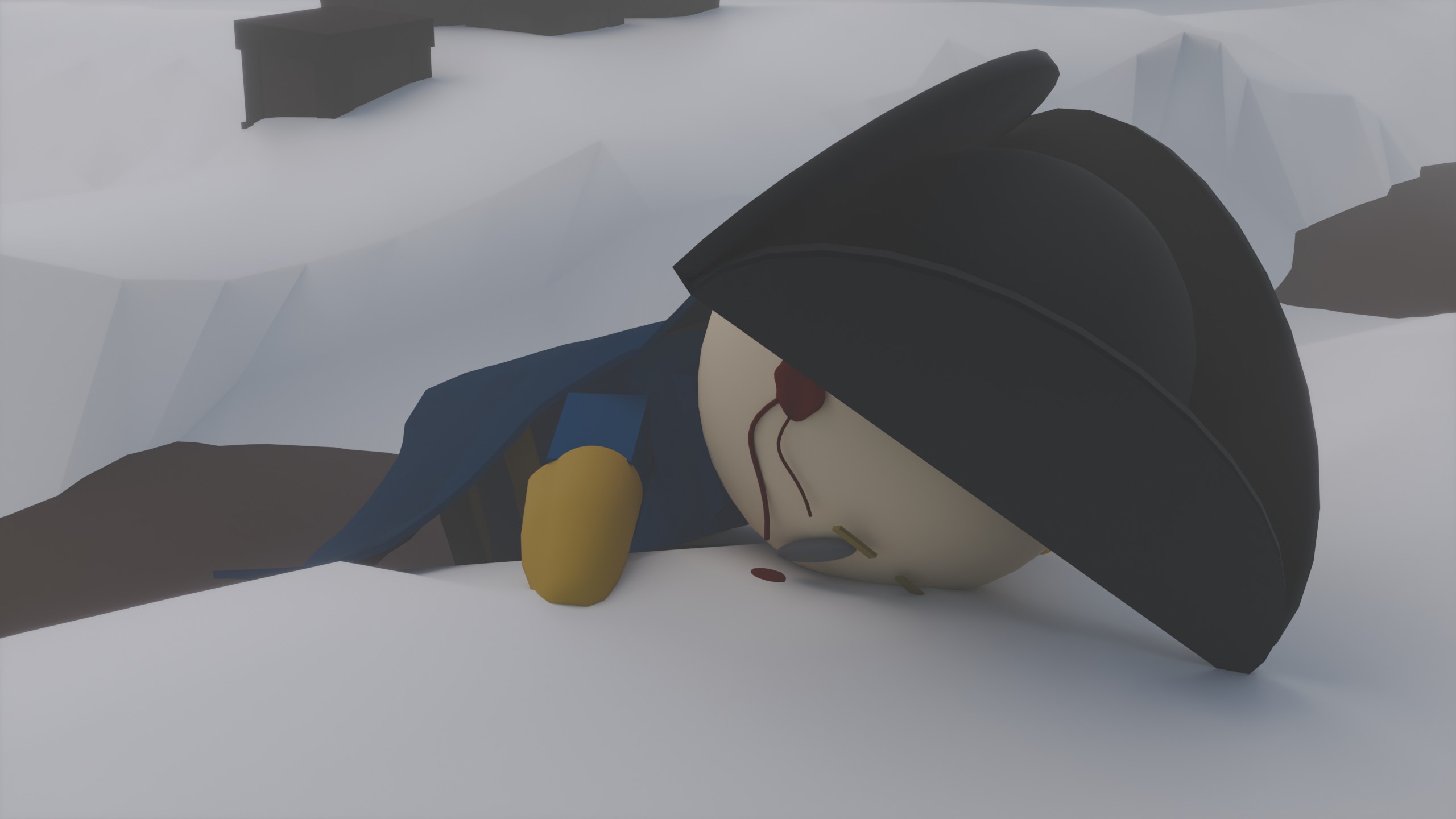
King Charles XII would die at the Siege of Fredriksten
In the evening while laying siege to the Norwegian fortress, Charles was in the Swedish trenches around the fortress where he was exposed to enemy fire.
It is not exactly known what killed him, some speculate a long shot from a sniper, others say grapeshot from a cannon. Either way a large shot entered his left temple and exited out his right, killing him on the spot. The impact was instant, the siege and invasion were quickly cancelled as Swedish forces retreated back into friendly soil.
With Sweden's enemies closing in at all sides, Charles's sister Ulrika became Queen, despite her efforts, she would be unpopular as a ruler and abdicated 14 months later. Sweden would then go on to sign various peace treaties, ceding land and economic privileges, ending her reign as a great European power, making way for the emerging Russian Empire.